FOR SUCCESSFUL EXPERTS WITH
STRONG FOREIGN ACCENTS
SOUND AS CAPABLE AS YOU ARE IN AMERICAN
Right now, Americans don't just have a hard time understanding you. Because of unconscious bias they trust you less.
I used to be in your situation. Until I changed my accent using Hollywood Accent Techniques. I want to help you do the same.
CLICK BELOW TO WATCH FIRST!
Next Step: Answer a few questions to make sure we don't waste your time on the call.
WHY LISTEN TO ME
✅ I'm a foreigner just like you
✅ Changed my Own Accent Successfully
✅ Professionally Trained Actor
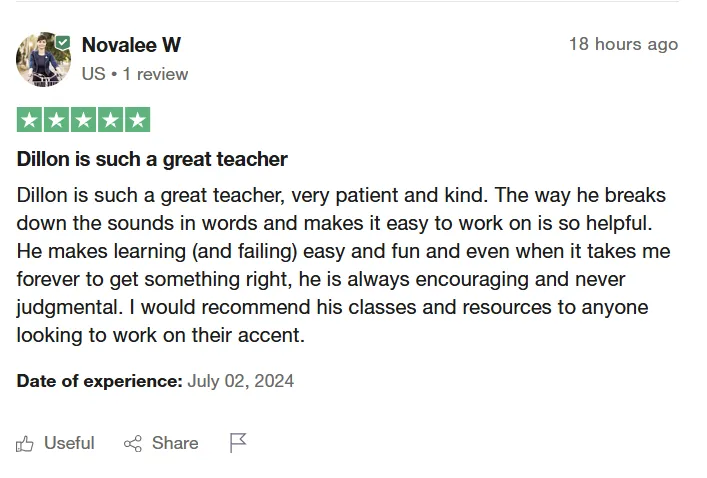
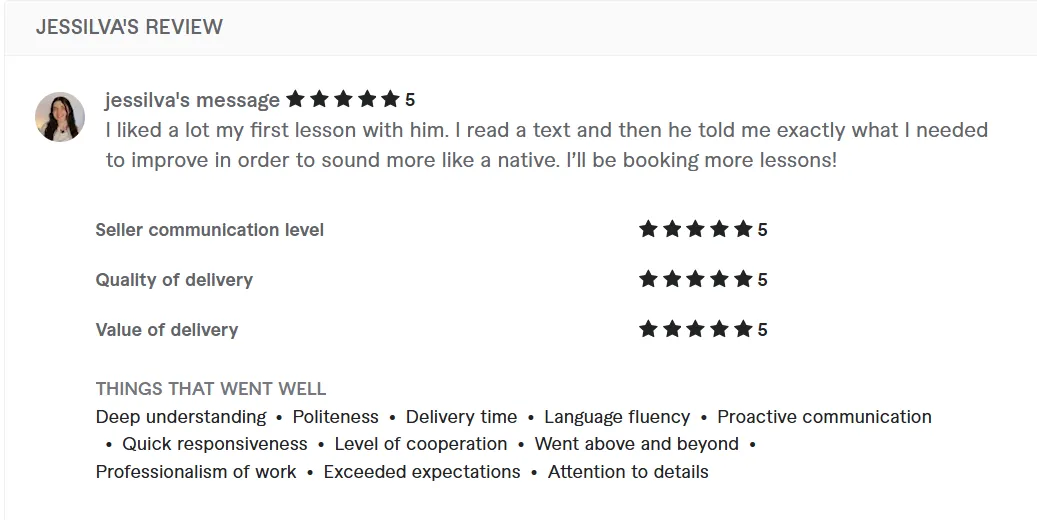
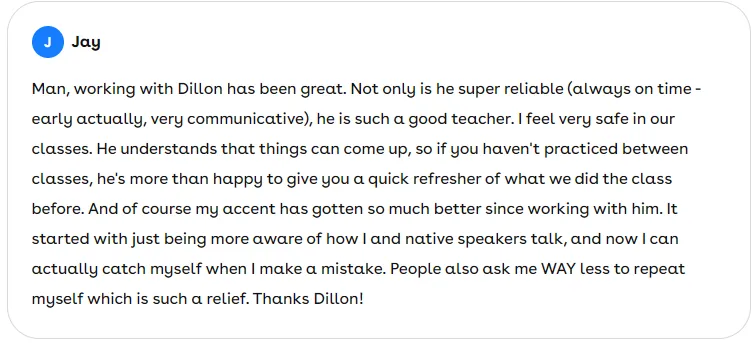
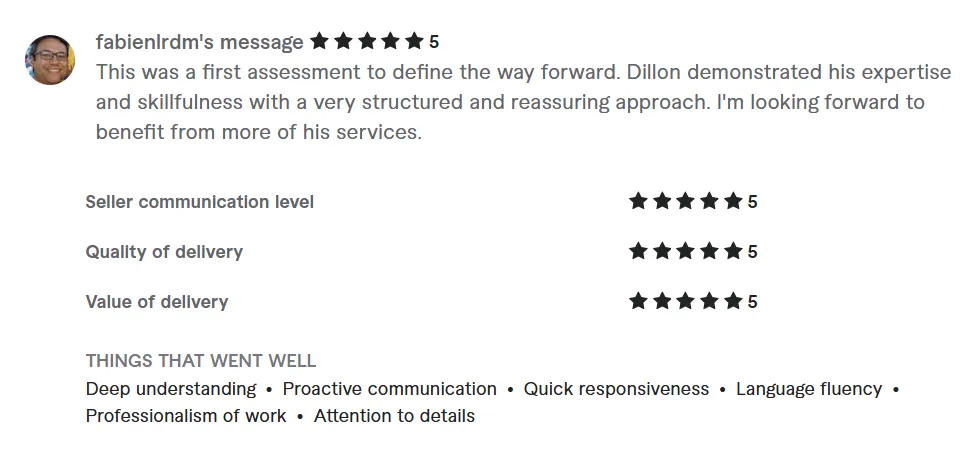
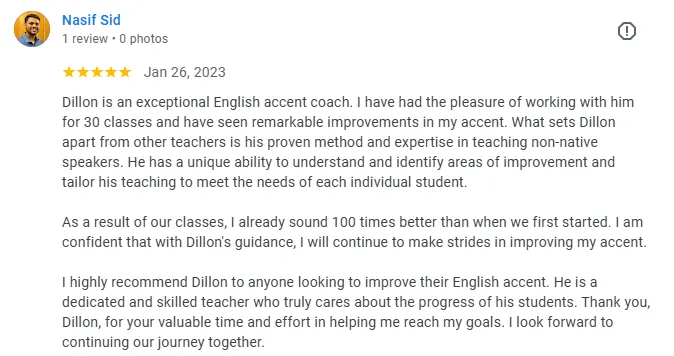
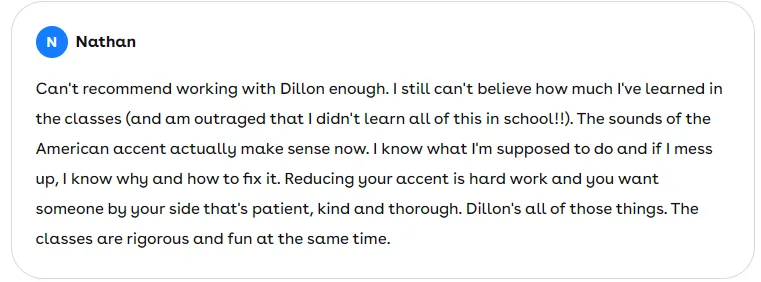
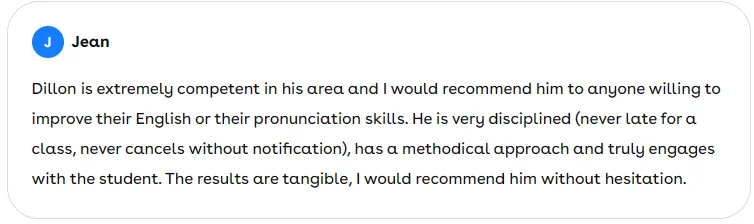
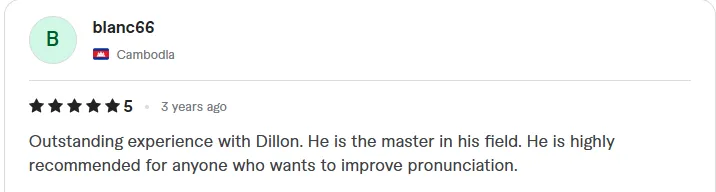
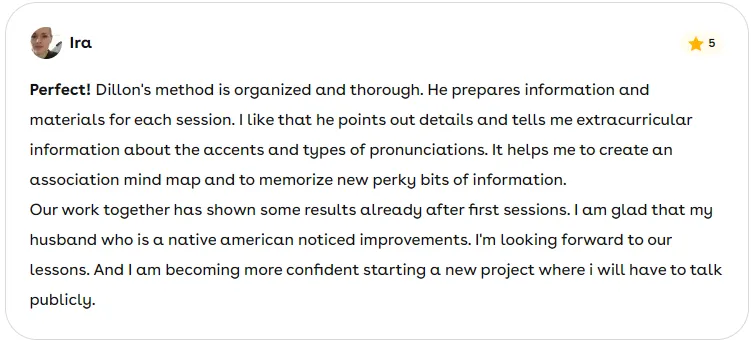
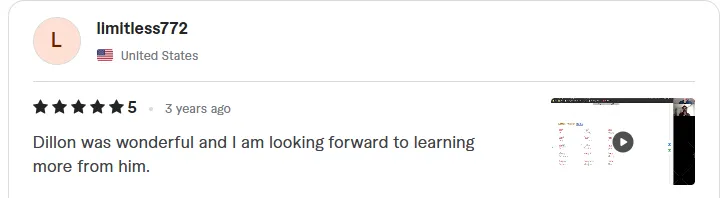
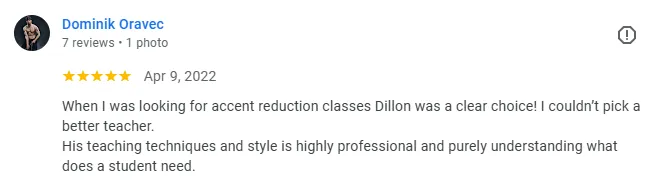
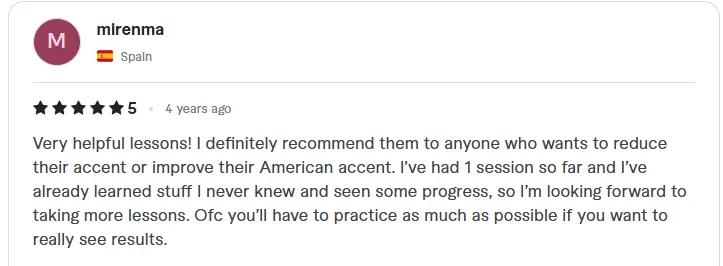
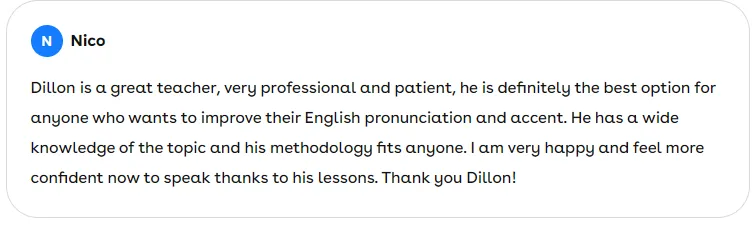
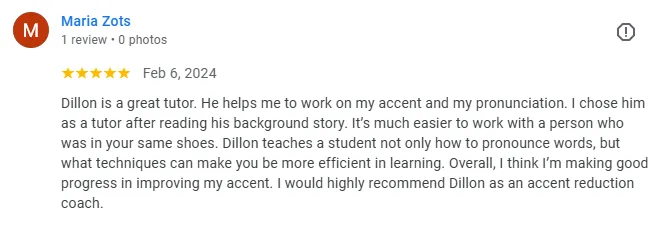
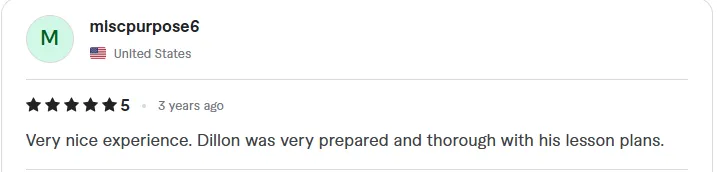
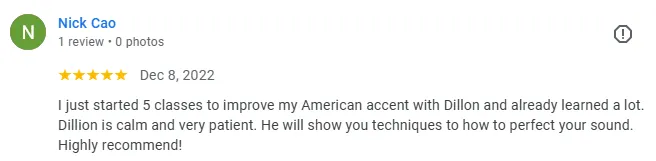
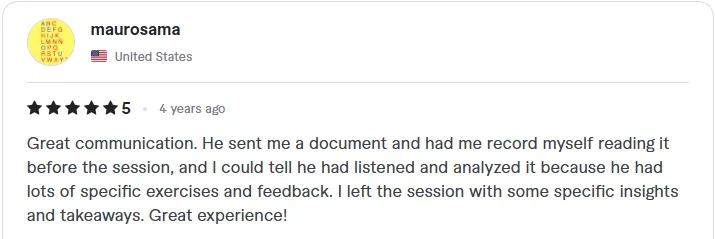
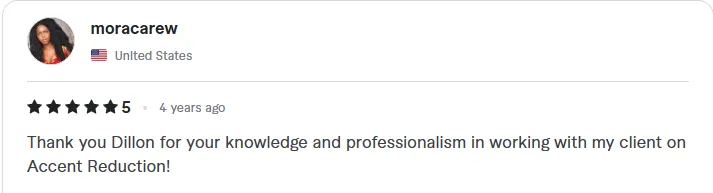
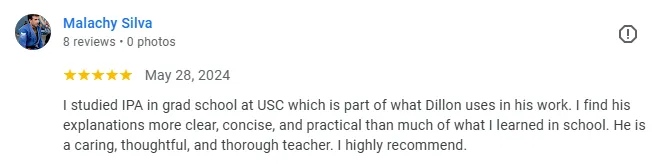
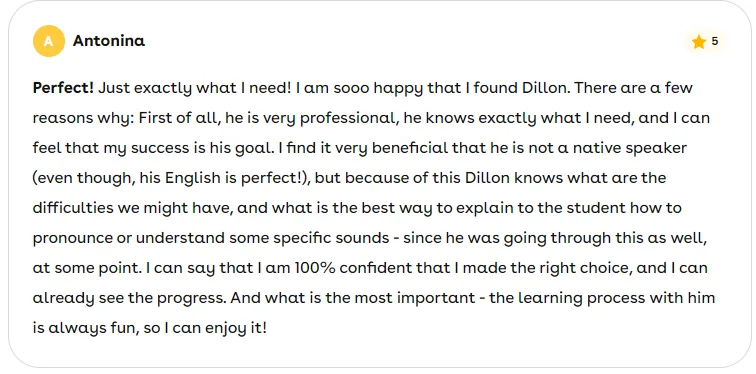
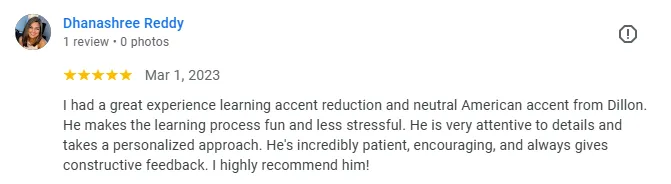
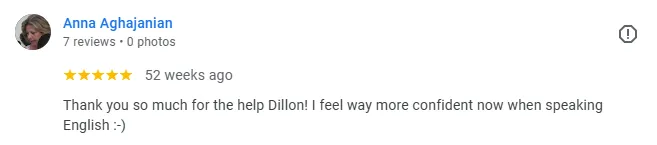
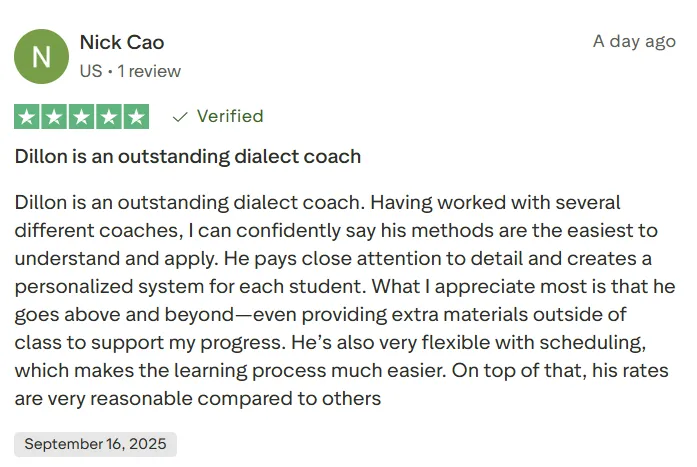
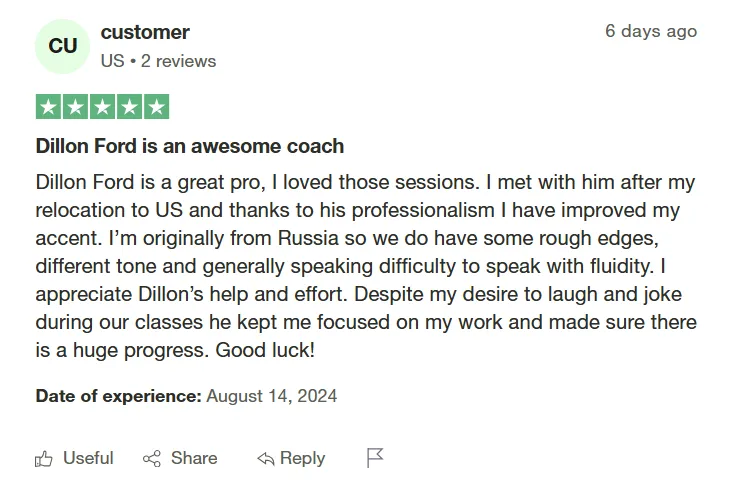
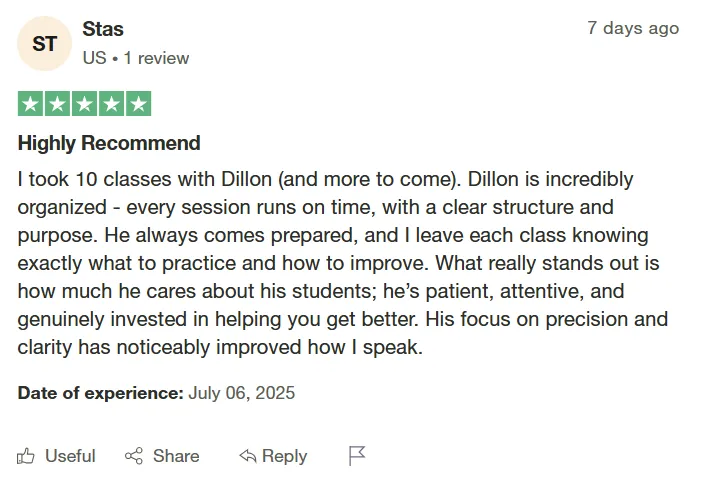
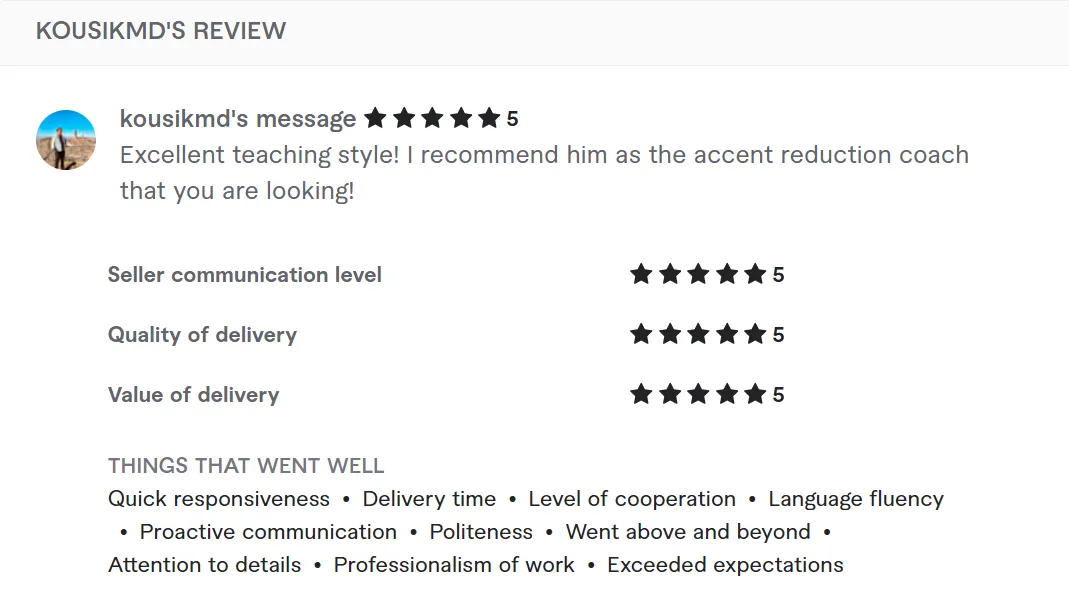
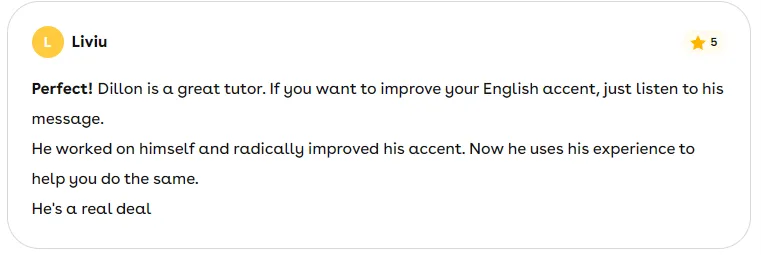
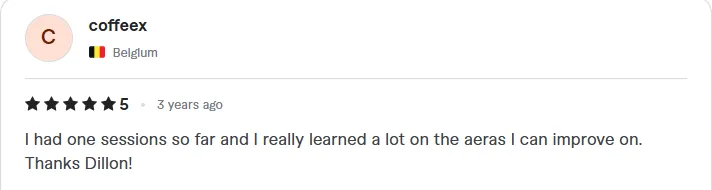
✅ 80+ 5 Star Reviews
FAQs
How long does changing your accent take?
Making noticeable changes (that YOU notice) doesn't take particularly long.
Building strong habits that hold up under pressure will take longer (just like mastering any other skill).
Sounding 100% American takes much longer.
It took me 18 months until I felt confident I could blend in and not be "spotted" by most Americans. I'd say I'm about 97% American sounding personally.
That was 18 months of consistent action taking, discipline, pushing through when I wanted to give up and having high-level guidance from my coaches at acting school.
What will we talk about on the application call?
Long story short:
- I'll ask you some questions about your accent to make sure we're the right fit for each other
- I'll take a listen to your accent (to make sure I'm the best fit to help you)
- we'll map out how to tackle YOUR accent problems
If you have any questions, write them down so you don't forget about them on the call.
1:1 vs Group Coaching
Often, people believe 1:1 coaching is the most "premium" path to achieving the result they want.
The reality is that 1:1 is the best path to getting proximity to your coach. Proximity alone doesn't achieve the result.
Let me draw a parallel. I train Jiu Jitsu.
If I had to bet all of my life savings on who would win between
- someone who only ever does 1:1 sessions
- someone who only ever does group sessions
I'd bet my life savings on the person doing group sessions every time.
That person has to constantly apply and evolve their skillset in an uncontrolled environment.
So pressure testing is one of the big reasons why well structured group programs will always beat 1:1 coaching.
Not to mention
- social pressure -> more action taking -> better results (studies have proven this)
- you learn a lot from seeing/hearing other people make mistakes
So if you want:
- proximity and decent results --> 1:1 coaching
- faster and better results --> group coaching
What if I don't have enough time?
Everybody I work with is incredibly busy (business owners, hedge fund managers, doctors, lawyers, agency owners, software engineers, ...)
But they also all know that their potential is limited because of their accent.
You need to make a choice of how important it is to you to unlock this potential.
Obviously, I think it's more than worth it. Changing my accent significantly improved all areas of my life in the US and in doing business with Americans.
So if this is a priority for you, I'm confident you'll be able to make time for this.
Because I'm not going to sugar coat it. If you actually want results, work needs to be put in.
Just like going to the gym once per week isn't enough to achieve your dream physique...
Practicing your accent once per week isn't enough either.
So just like with anything else that you want to get really good at (think about your own expertise and how you got to where you are now), you just need to make it a priority and then you need to commit.
The rest takes care of itself.
What about AI?
AI is obviously all the rage now. And it legitimately makes all our lives a lot easier.
Is this also the case for our accents?
Yes and no.
If you go to Claude/ChatGPT/Gemini and ask for feedback on your pronunciation, they just make something up. It's not accurate at all.
Then there are apps like BoldVoice and ElsaSpeak. They can somewhat pick up on the sounds you're doing incorrectly, they can score you but I have lots of clients that tell me they used to use those apps and stopped because:
- the feedback was cookie cutter
- they never stayed consistent
- progress was too slow
I think AI apps are a good way to "get your feet wet" but if you're serious about making progress, jumping into a coaching program is the far better option.
That is if your priorities are:
- building real pressure tested skills
- developing those skills faster
If you're fine with learning slowly and "saving" money (but paying in time and mediocre results), then you can stick to the AI apps.
Just like with a lot of things, trying to do the entire workflow with AI will probably end badly. Use it to enhance your workflow and make it more efficient.
People in my program get access to a transcription tool I built that calls Claude API. This will help you with preparing for speeches and content scripts.
How expensive is this?
High level coaching programs that actually make a difference typically cost between $4,000 to $7,000. It depends on the level of support and guidance you need to achieve the result you're looking for.
We have payment/financing plans available.
Why wouldn't I go with some random $50/hr coach?
The question probably answers itself and since you're an expert, I think you probably know the answer already.
Short answer:
- unlike 95% coaches out there I've actually successfully changed my own accent
- I'm a foreigner just like you so I know the journey first hand
- my acting training
Together these things create my "MOAT".
(Moat = competitive advantage that can't be copied by competitors)
I don't know about you but if I had to pick a personal trainer that
- exclusively knows THEORY
vs
- one that is actually in really good shape and ALSO very knowledgable
I'll pick the one in really good shape any day.
But if you want to waste your time (and ultimately your money) on cheap coaching, go ahead!
I've had clients come back to me THREE years later. Said they tried other coaches, and ultimately just kept using what I'd taught them and said they regretted ever leaving. 🤷♂️
Is it really true that Americans treat people with accents with less respect.
100% Yes.
I've lived in the United States for more than ten years now. I've worked in retail, customer service and telemarketing. People with strong foreign accents are routinely taken less seriously and treated worse than their American counterparts.
Just the other day, I went to get a haircut. The very friendly lady cutting my hair got a phone call, listened intently for about 3 seconds, then held the phone away from her ear, shook her head and...
She hung up saying "I just can't deal with the accent."
Not to mention I've personally been made fun of for my accent when I first came to the United States. To my face! haha.
I don't think this makes Americans "bad" or "evil". To be honest, the same thing would happen back home in my native country to people that have strong accents in German. And my clients routinely confirm the same thing for the countries they live in.
Language is ultimately pattern recognition. If the pattern you are using is unfamiliar or "strange" then it will be difficult for the other person to understand. And, in general, when somebody has a difficult time expressing themselves, the very quick unconscious assumption people make about that person is that they are less smart/capable (even if that may not be the case).
This is not just the case for accents. Native speakers encounter the same thing if they stutter for example.
And this is also why my life in the United States and interacting with Americans became so much easier after changing my accent. Now all my conversations are just about the topic/ideas I want to discuss. Not about having to repeat myself or constantly having to talk about where I'm from.
I thought changing my accent was impossible. How did YOU do it?
Very good question.
The truth is that the vast majority of people speak English for a long time or they even live in North-America for decades with barely any change in their accents.
I used to think it was impossible as well until I started my acting training in 2014.
Long story short, what got me to this point today (sounding American and 95% of Americans I meet thinking I'm from the US) are two things:
- the right frameworks (the acting approach)
- my why
Frameworks: using the same techniques actors use. I boil this down to a 4 step system (assess, understand, drill, simulate). You can read more about this lower on the page!
My why: Whenever you feel like you suck and that you'll never achieve your goal, your why will keep you on track.
In my case, I'm an actor. With a strong German accent... you only really get cast in.. "certain" roles (Nazis or really weird people). Definitely NOT what I wanted to be portraying!
So any time I felt like giving up, I thought about that. And ultimately, in my mind, it felt like I had no choice but to keep going.
MEET ONE OF
MY CLIENTS
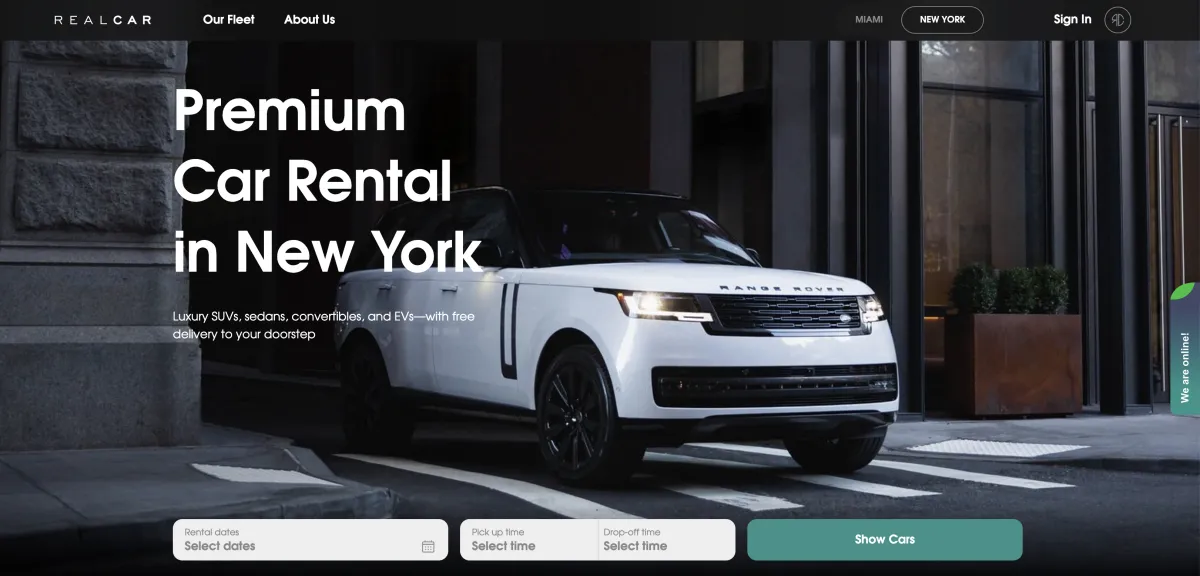
Gleb runs and operates realcar.nyc - a luxury car rental company. His car fleet is primarily comprised of Range Rovers, Mercedes and Porsche.
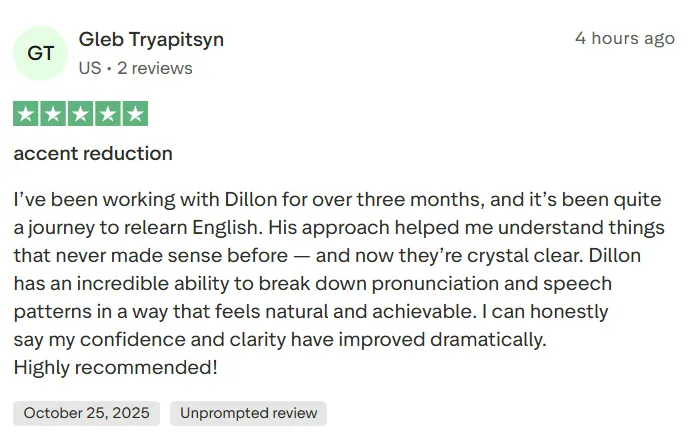
If you're anything like Gleb, you're:
Highly competent
Successful
Intelligent
But you also
Have passed on speaking opportunities
Hate the sound of your accent in recordings
Sound way less competent and intelligent than you are in American
... because of your strong foreign accent.
BEFORE & AFTER
Aadi - 7 Weeks Into the Process
Thorstein - 7 Weeks Into the Process
Ally - 6 Weeks Into the Process
THE PROCESS
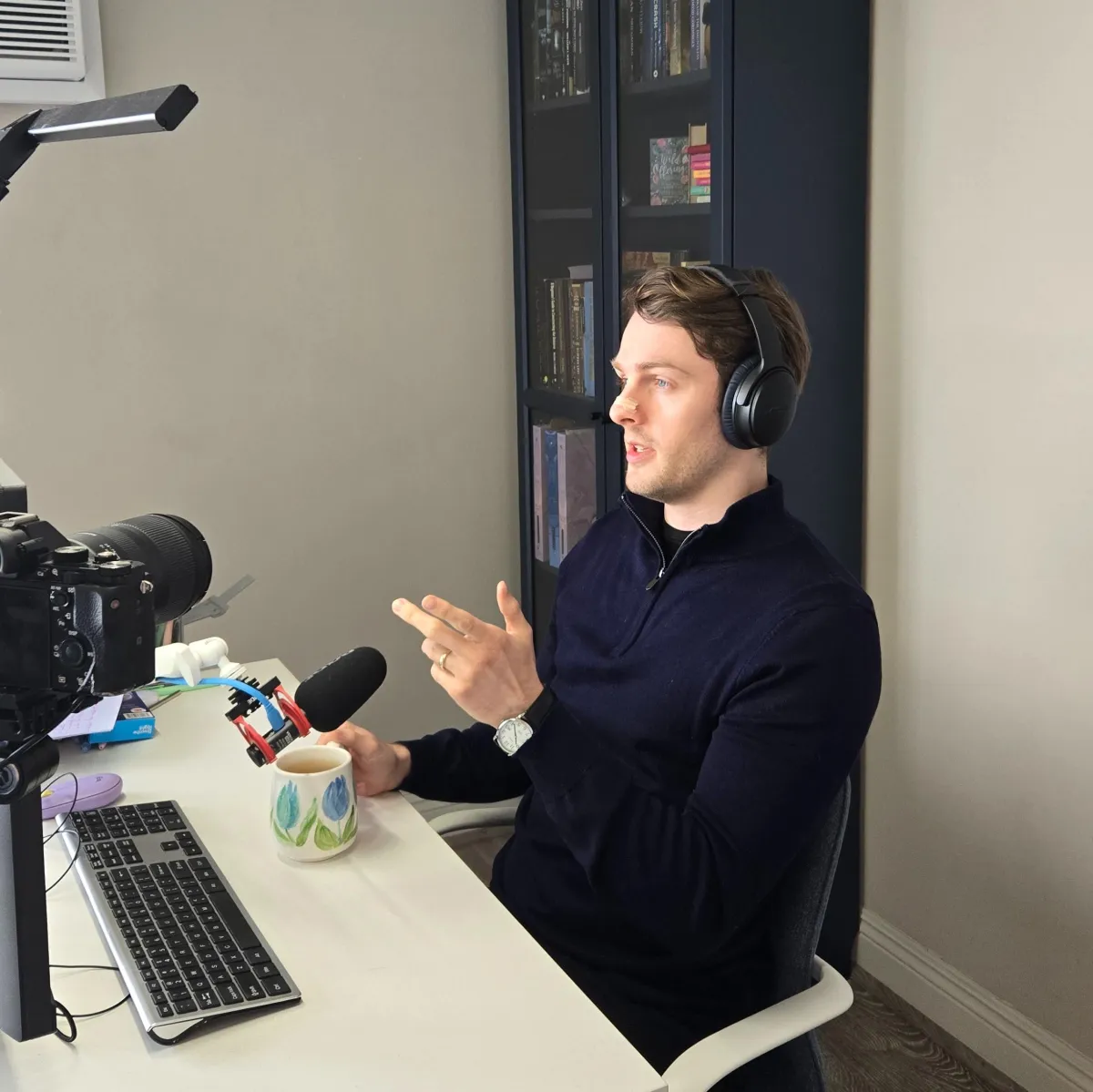
PHASE 0 - ASSESS
Most people are guessing at what to fix.
You will not.
You’ll get a Personal Accent Breakdown where I show you exactly which sounds are off and why.
For most people, this is the first “oh… that’s why” moment.
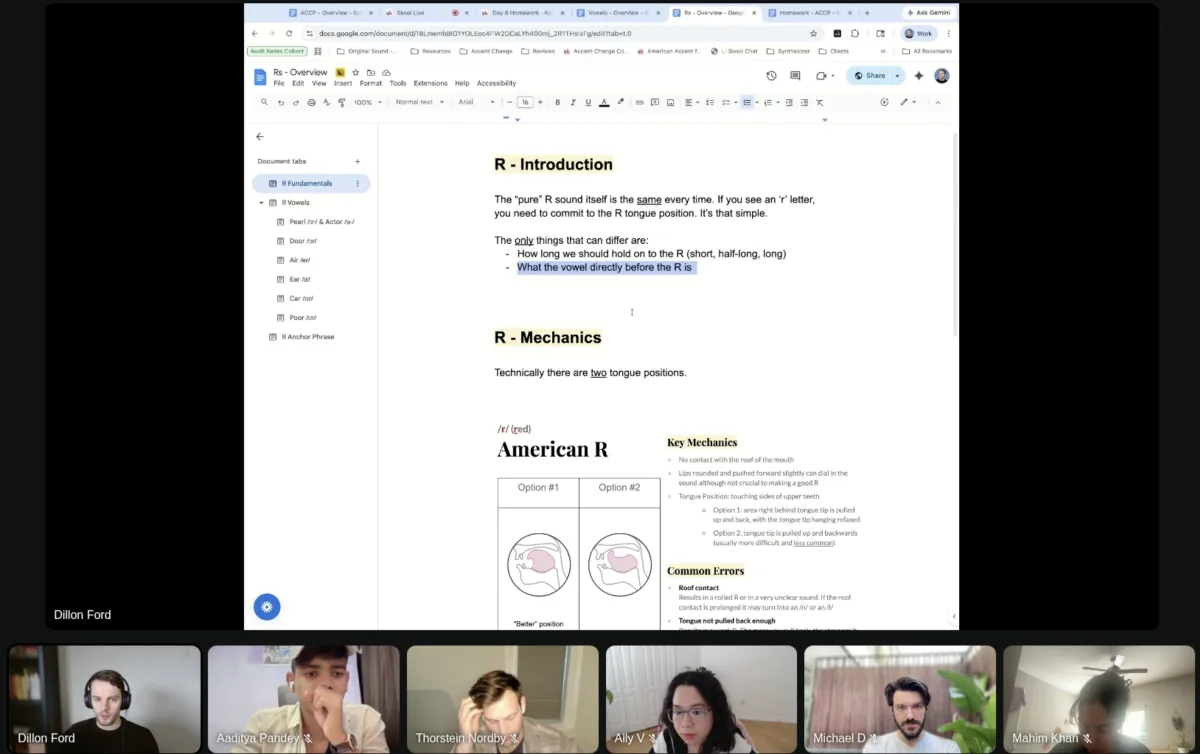
PHASE 1 - UNDERSTAND
You’ll learn how each sound actually works and the common mistakes to avoid.
Not theory for the sake of it.
Just enough understanding that you can catch yourself and fix it in real time.
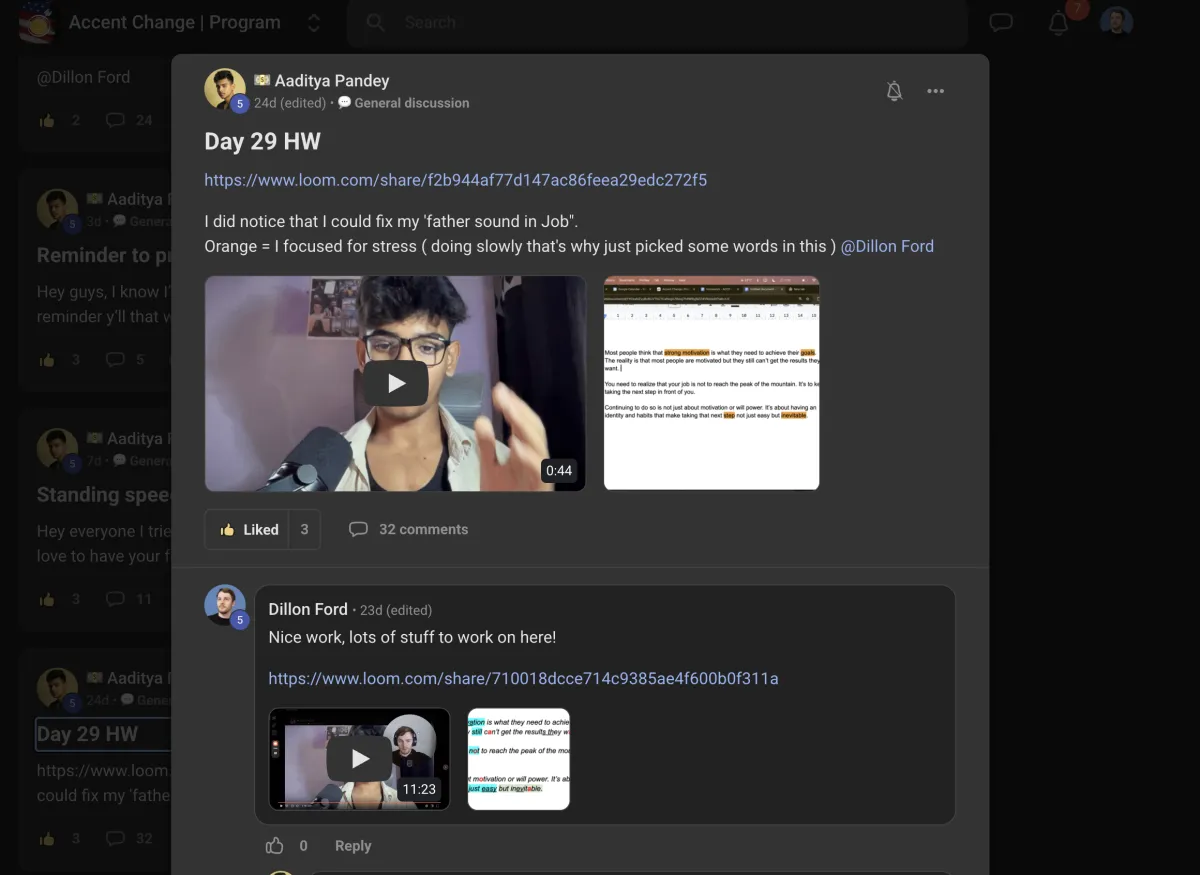
PHASE 2 - DRILL
This is where most people fail on their own.
You’ll practice in a way that actually forces improvement instead of just repeating the same mistakes. (The same way someone like Christian Bale makes sure he never slips up once the camera turns on)
And you’ll get feedback between calls so you don’t go off track.
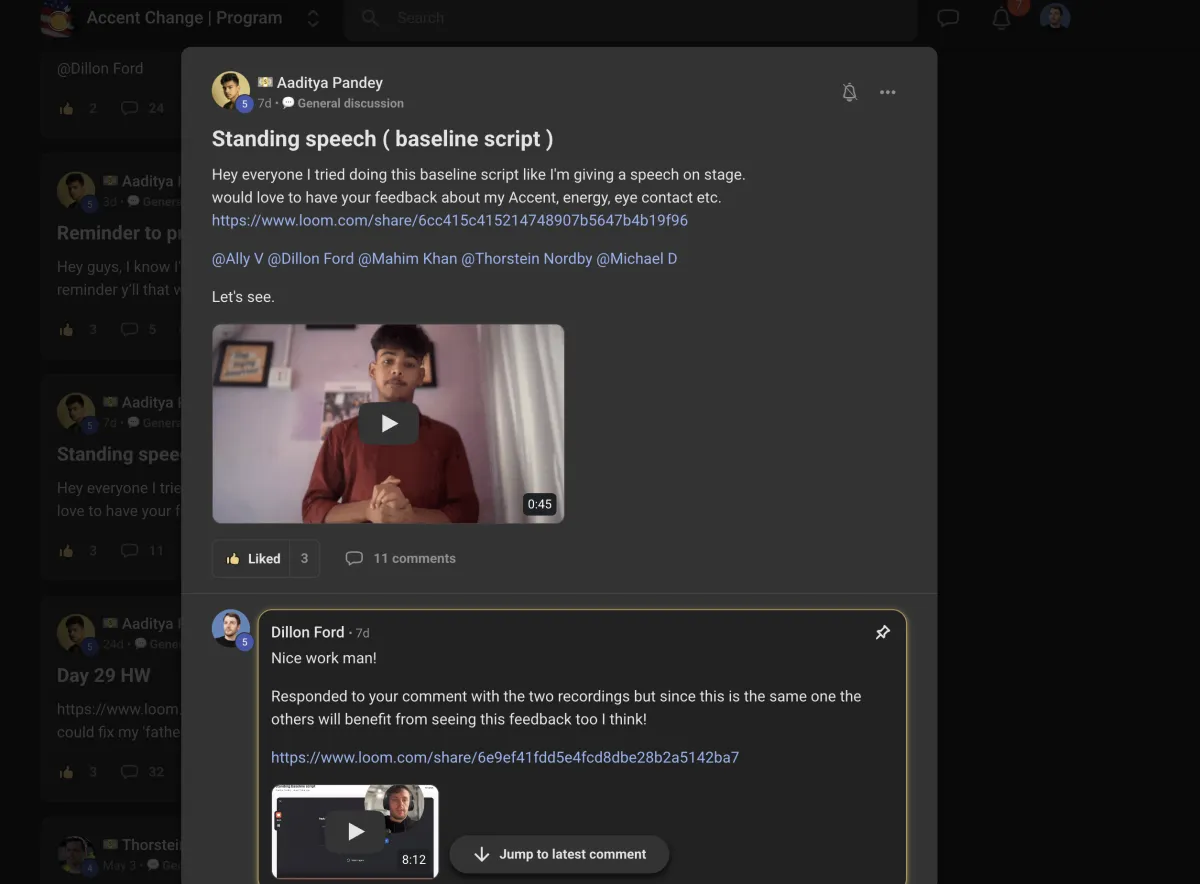
PHASE 3 - SIMULATE
Because sounding good alone in your room doesn’t count.
You’ll practice in higher-pressure situations.
Hot seats. Live coaching. Speaking in front of others.
(Exact reason I run a group program. Applying what you learned in front of an “audience” is harder and much closer to real life situations.)
That gap between “I can do it in class” and “I can do it in real life” gets closed here.
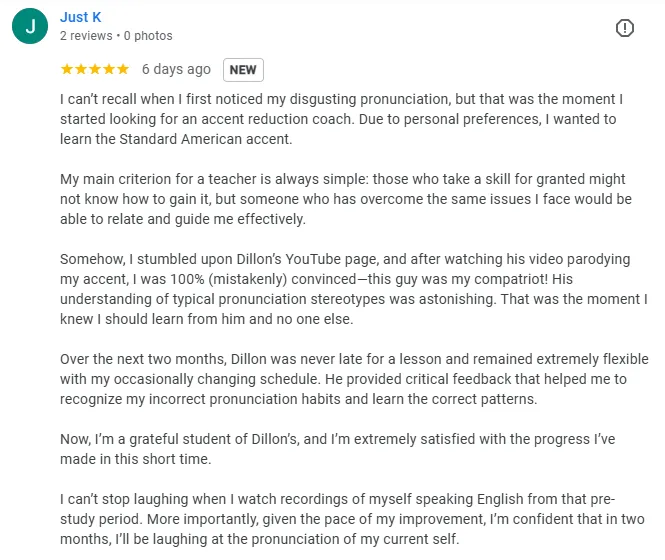
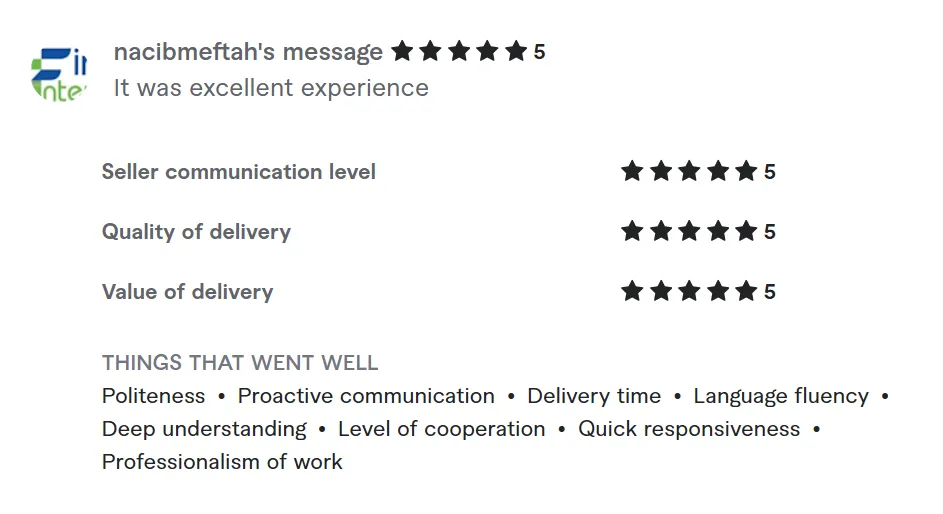
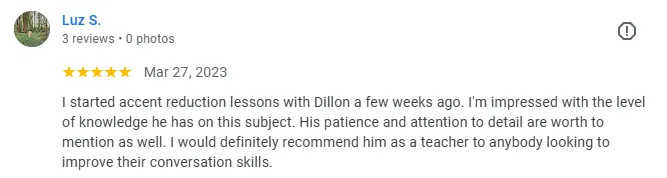
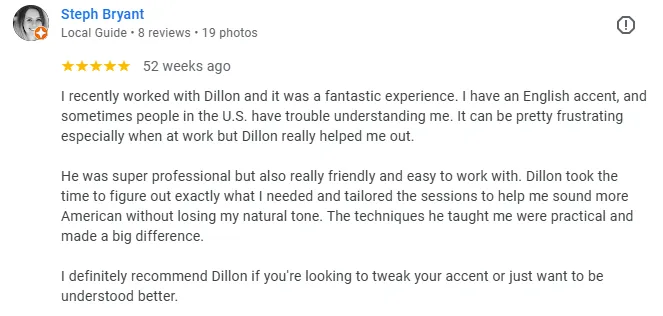
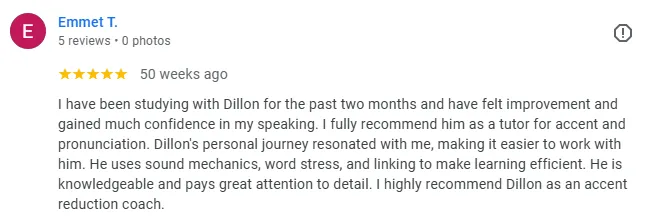
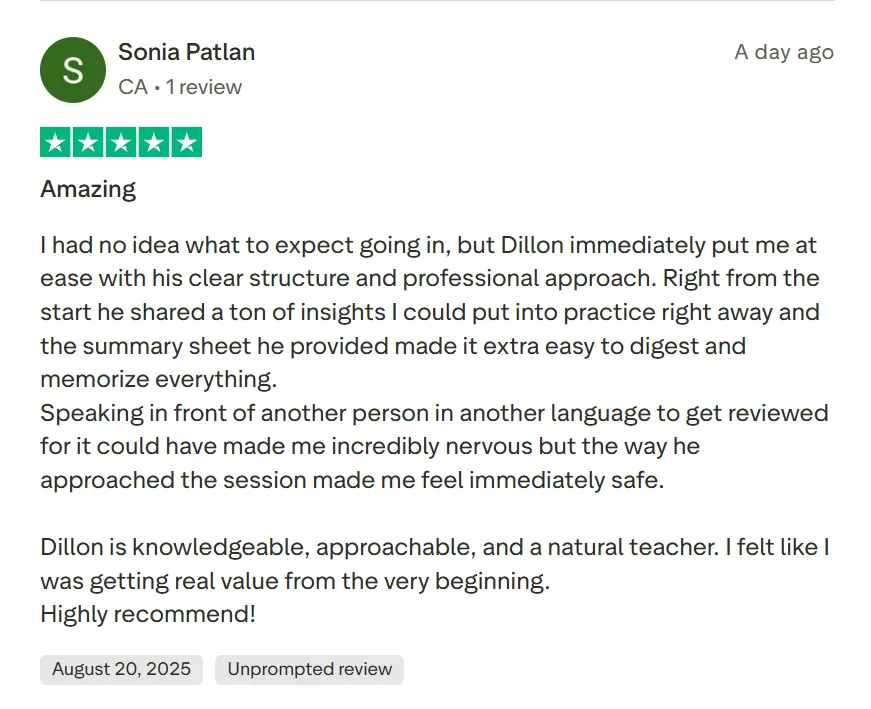
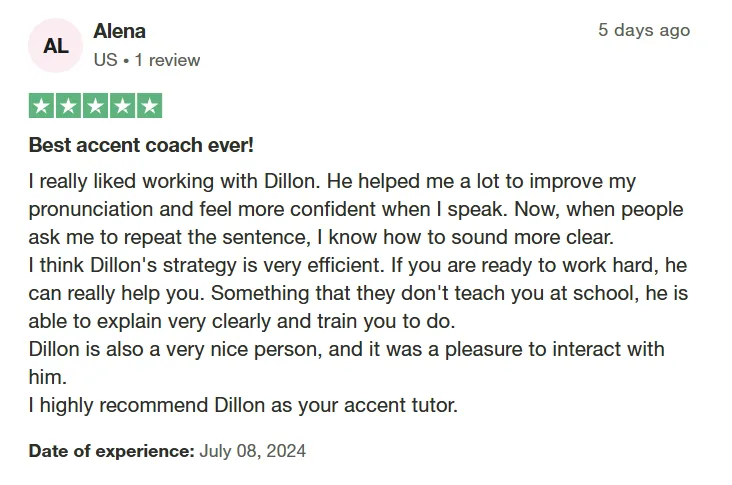
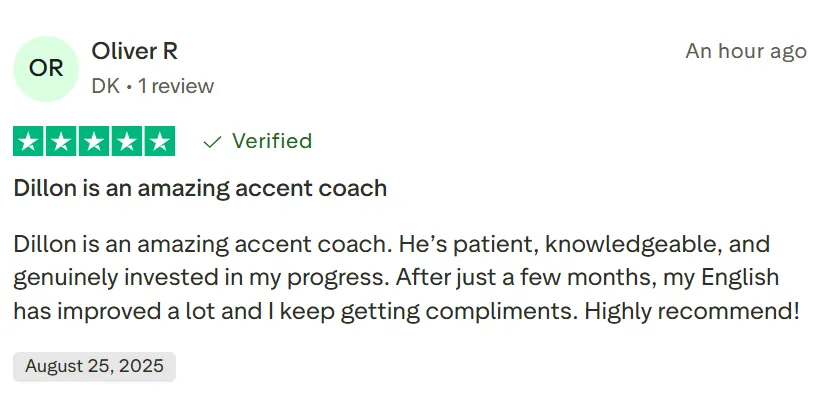
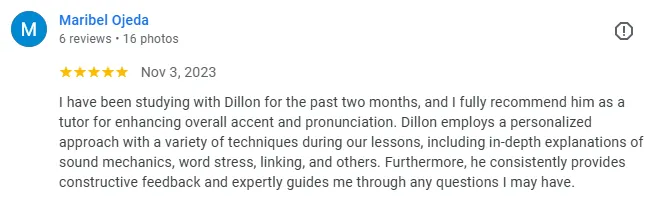
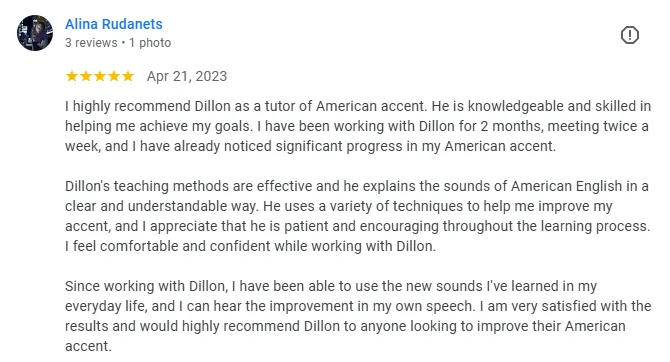
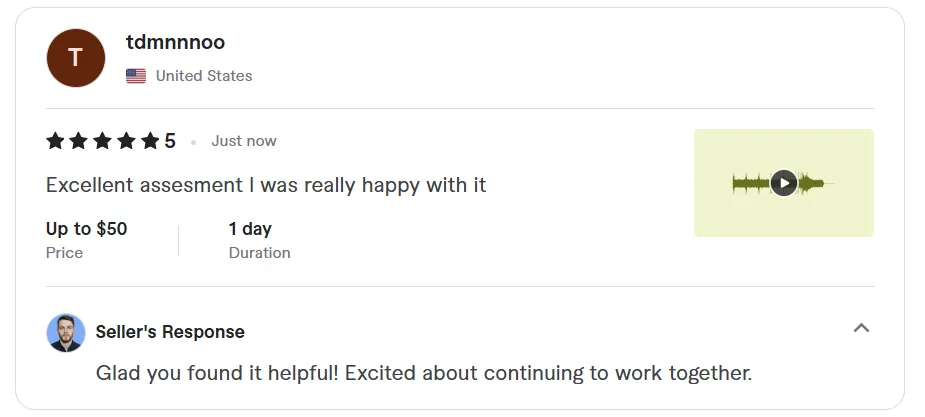
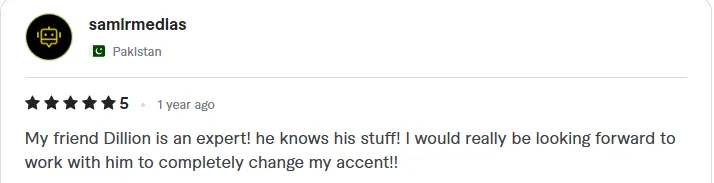
TESTIMONIALS
Thorstein - Agency Owner
(Norwegian)
Gleb - Business Owner
(Russian)
Brando - Trader
(Cuban)
Christian - CPA
(Mexican)
Aadi - Agency Owner
(Indian)
Pei - Project Consultant
(Chinese)
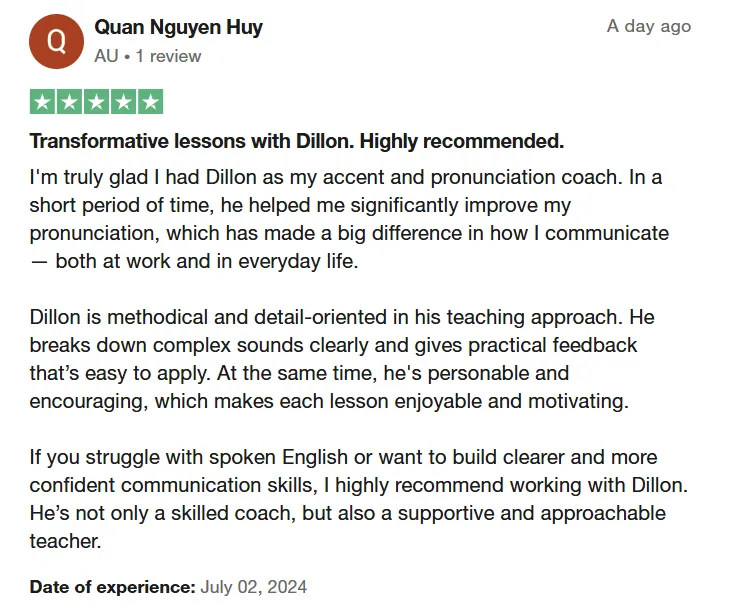
Quan - Financial Advisor
(Vietnamese)
Dominik - Freelancer
(Slovakian)
Alena - PhD
(Belarusian)
Fabien - Digital Delivery Manager
(French)
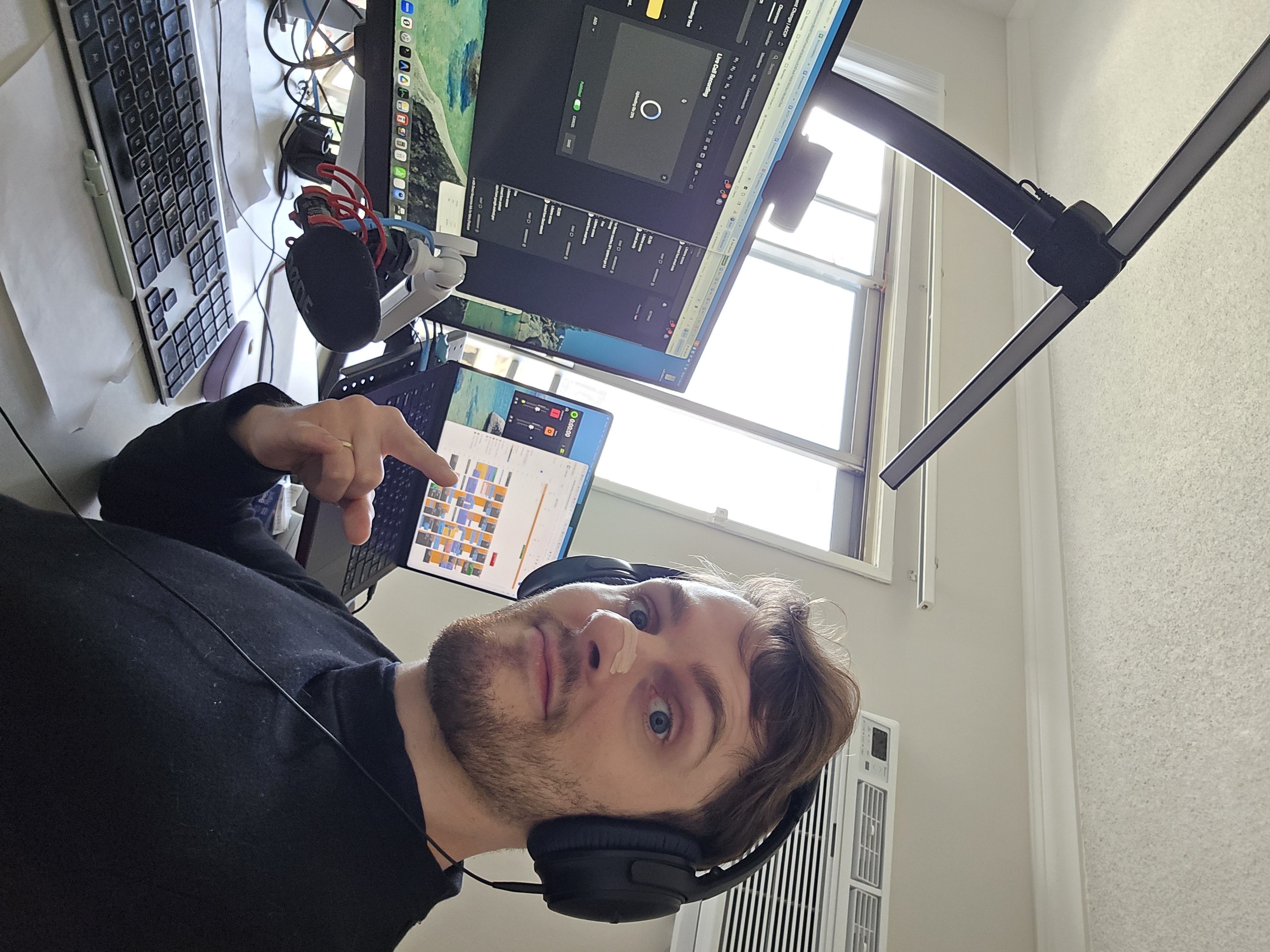
Hey, I'm Dillon!
Long story short, I'm a foreigner just like you. Came to the US with a strong foreign accent.
Hated it because people made fun of me, took me less seriously and because I was here to pursue acting.
If you have a German accent you really only get cast in certain kinds of roles (Nazis and weirdos). Not what I wanted to do obviously! Haha.
Thanks to everything I learned at acting school I was able to apply what the pros do to prepare for movies/TV shows to successfully change my own accent in 18 months.
Other fun facts:
Jiu Jitsu Purple Belt
Dungeons and Dragons Nerd
I like writing novels (fantasy)
Born in Munich - I'm half German, half Czech
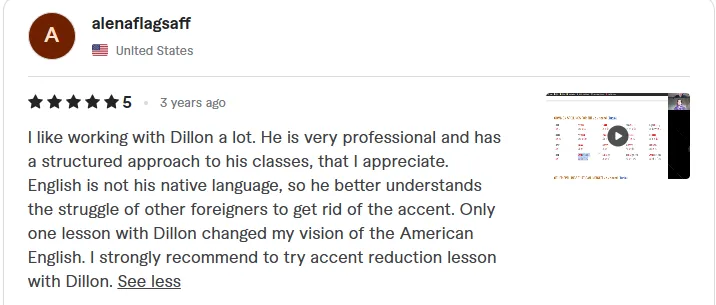
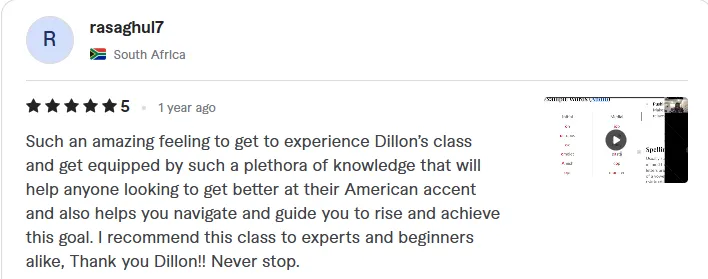
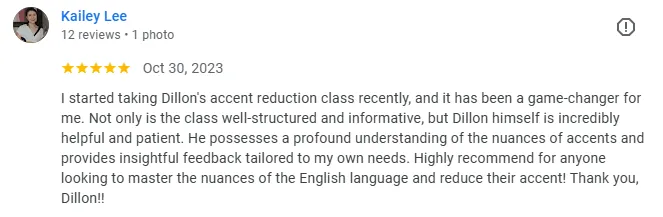
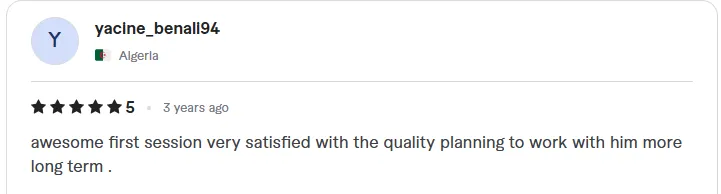
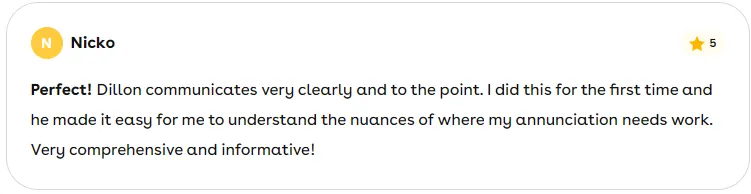
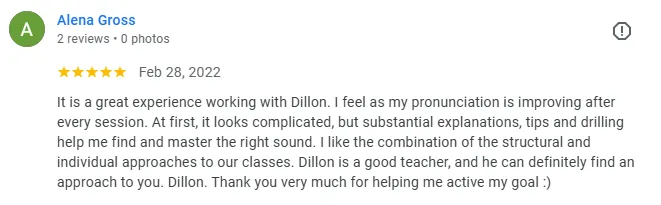
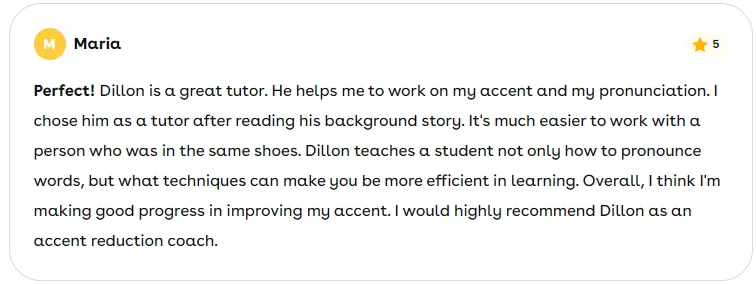
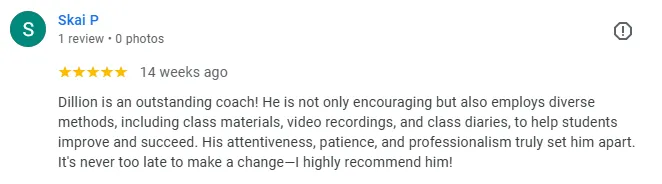
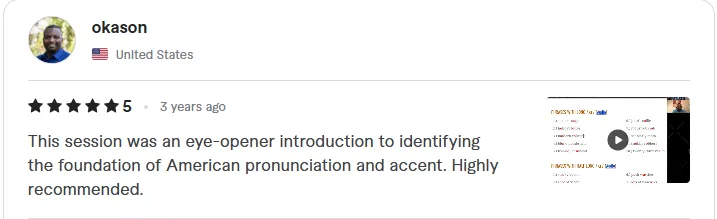
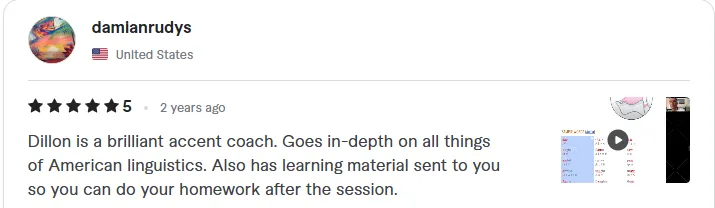
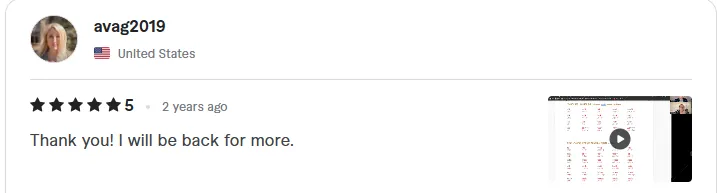
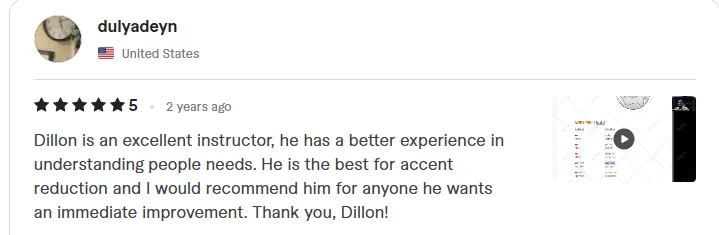
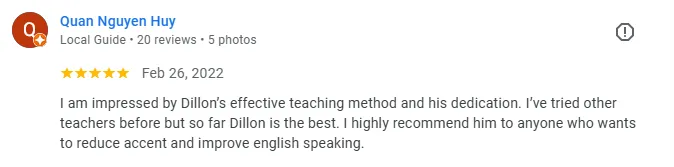
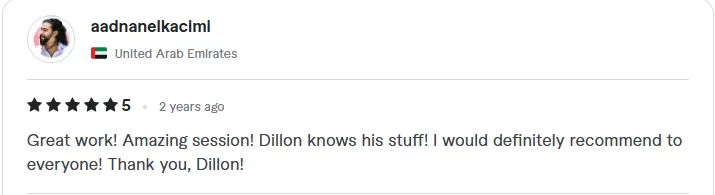
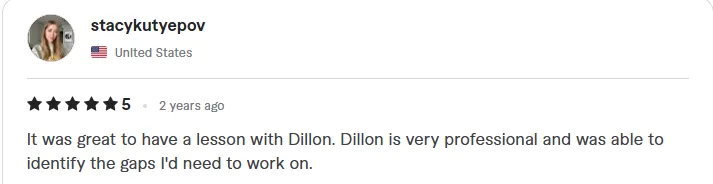
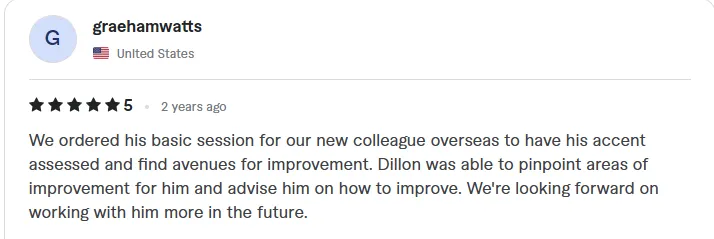
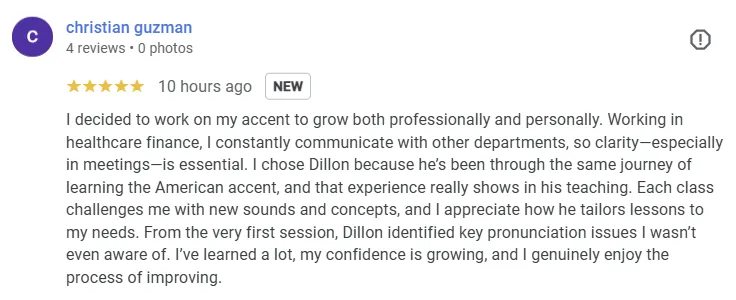
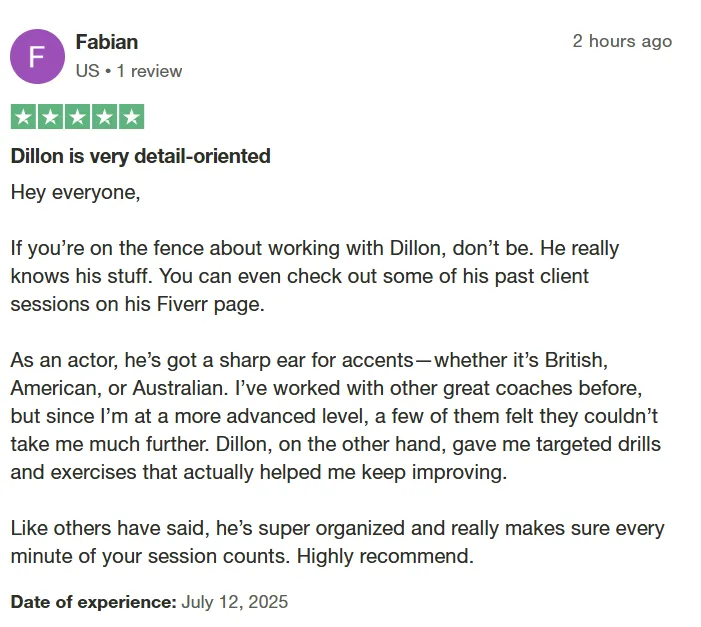
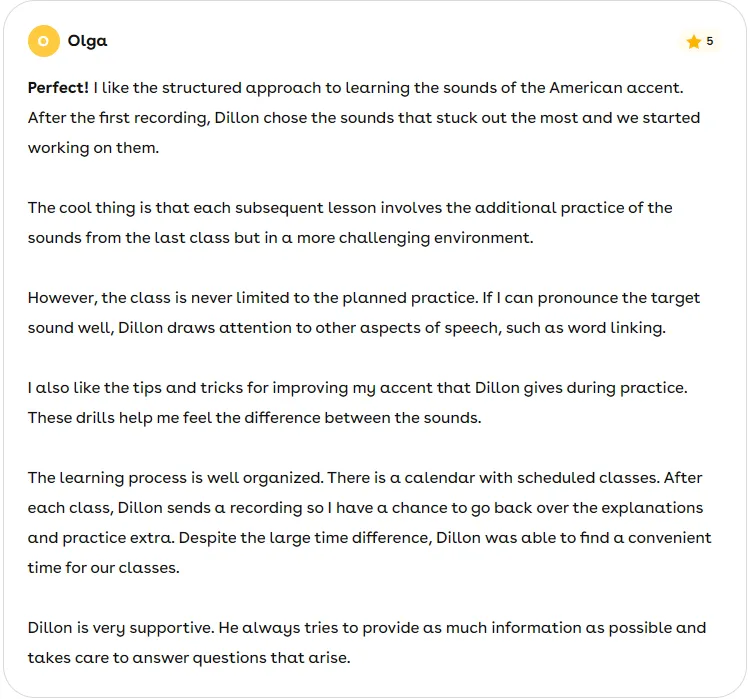
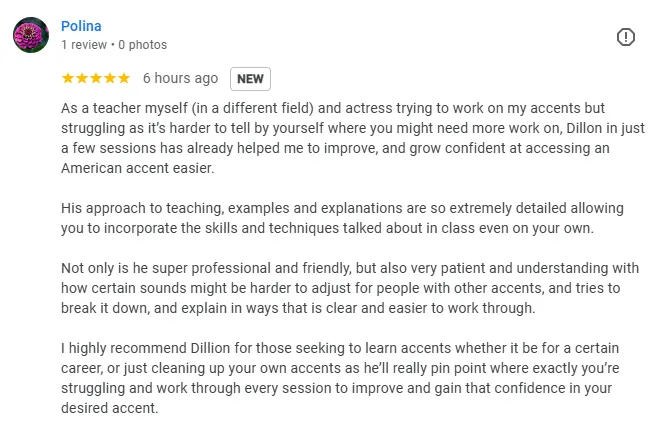
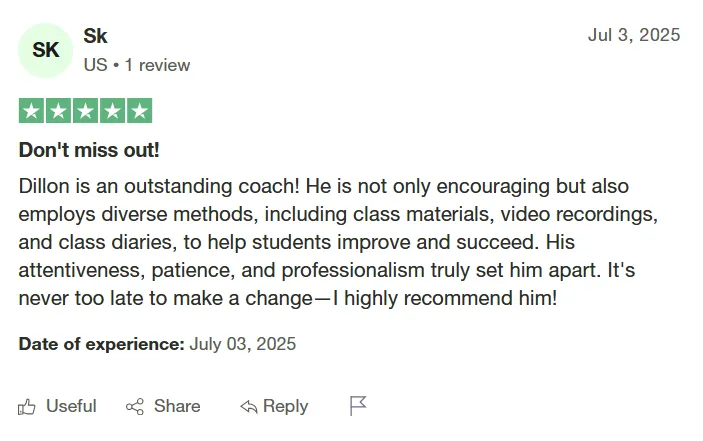
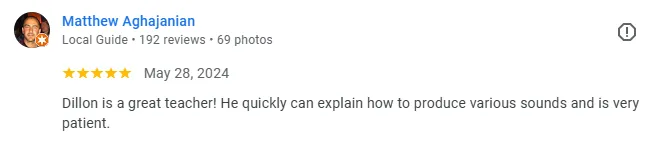
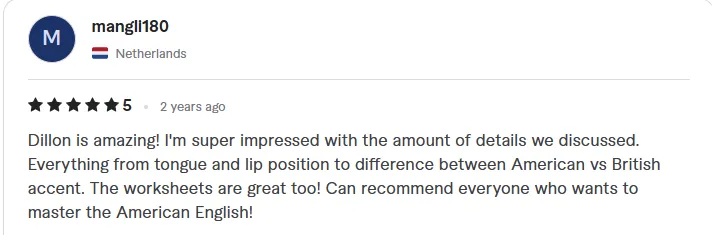
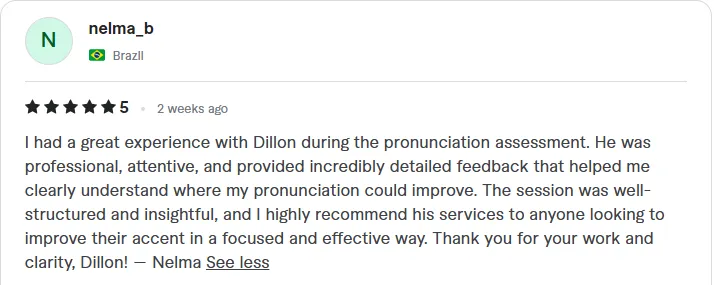
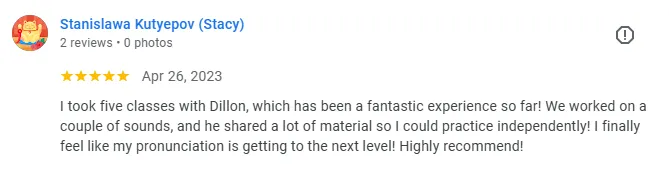
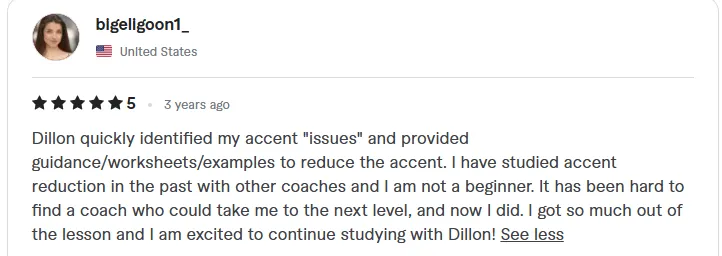
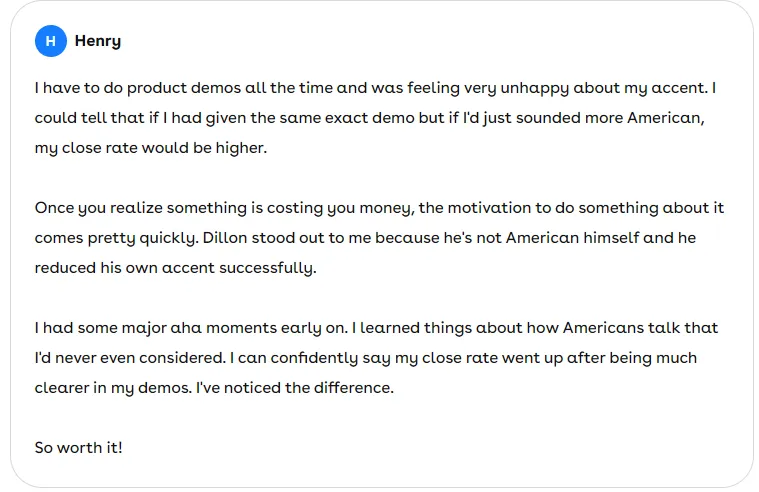
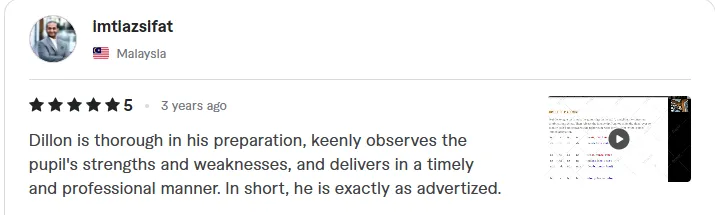
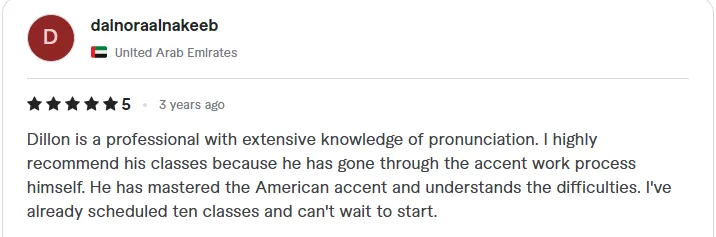
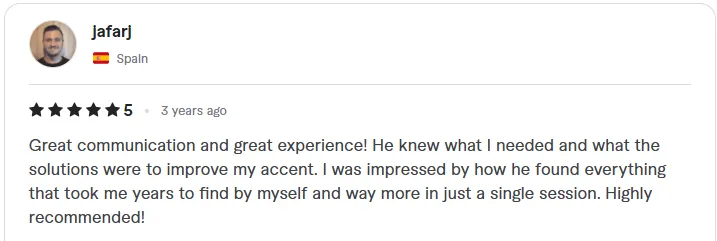
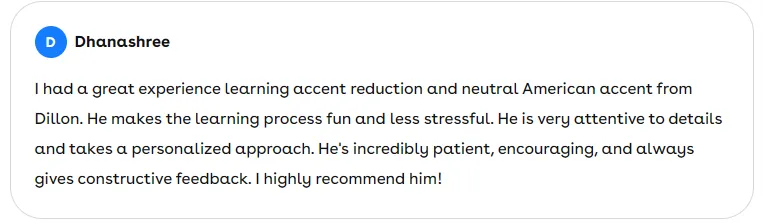
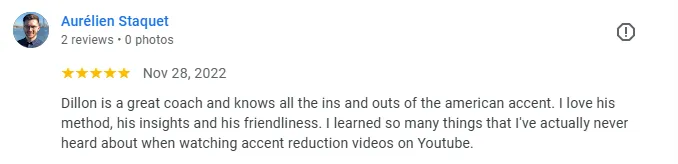
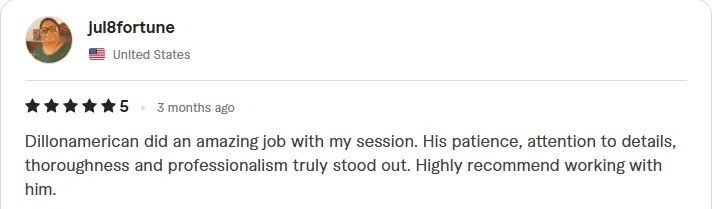
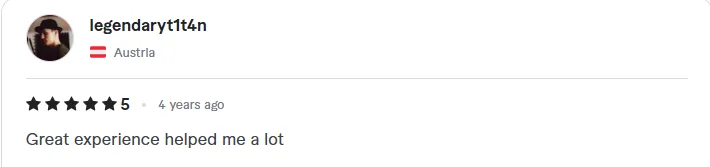
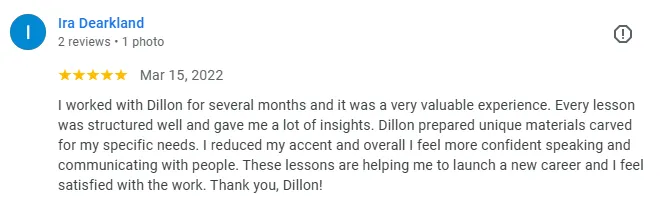
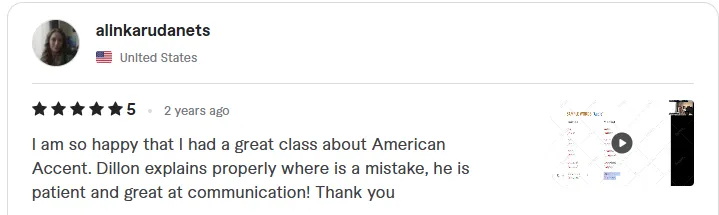
Want to see more testimonials?
👇

DISCLAIMER
This site is not a part of the Facebook™ website, Facebook Inc., Google Inc., or YouTube™. Additionally, this site is not endorsed by Facebook™, Google™, or YouTube™ in any way. FACEBOOK™ and YOUTUBE™ are trademarks of their respective owners.
Accent Change is an educational company that provides training in American accent clarity and communication. We do not offer a business opportunity, job placement, or guaranteed results. Individual success depends on a variety of factors including personal effort, practice habits, and prior experience.
Any testimonials or case studies shared are individual experiences and do not represent typical results. Many clients improve their speech clarity with consistent effort, but results vary and are not guaranteed. We do not make income claims, employment promises, or guarantees of native-like speech.
All content on this site is protected by copyright and may not be reproduced, distributed, or reused without written permission. Please refer to our Terms & Conditions and Privacy Policy for full details.
This site uses cookies and tracking technologies to improve your experience, deliver personalized ads, and analyze performance. By continuing to browse, you agree to our use of cookies.
California Residents:
Under the California Consumer Privacy Act (CCPA/CPRA), you have the right to opt out of the sale or sharing of your personal data. To do so, email us at [email protected] with the subject line “Do Not Sell or Share My Info.”